
Feature: Graphic design
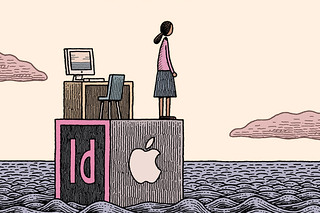
The programmed designer
Industry-standard tools – Apple computers, Adobe software – have created astonishing new possibilities for graphic designers. But is this liberation, or a new kind of imprisonment?
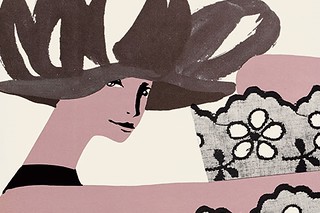
A breath of fresh air
In postwar Milan, Swiss designer Lora Lamm brought flair and humour to her work for clients in industry and retail, capturing the optimistic spirit of the times
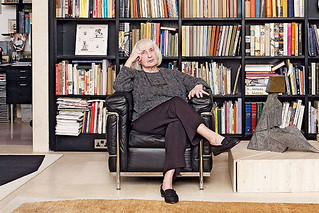
Modernist cottage industry
For more than a decade, Ruth Artmonsky has been publishing modest, readable books about design and illustration from her London flat
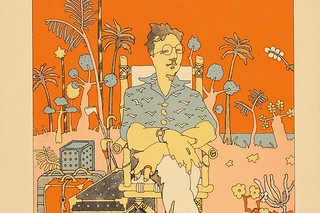
The men who fell to earth
In three turbulent years, from 1968-71, the illustration and design supergroup Bentley / Farrell / Burnett helped to define the look of the time
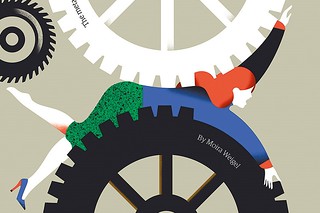
The long look
Creating playful, thoughtful images for The Guardian’s ‘long read’ section relies upon a close relationship between the paper’s art desk and a roster of illustrators who can make exemplary work at speed
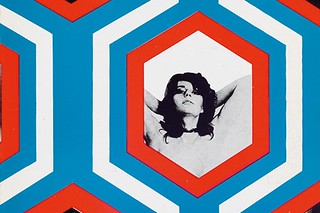
Reputations: Fuel
‘We love collecting vernacular … it’s functional, not following a preconceived idea of what is correct. This can give it an unexpected quality … in “real” design all those elements are lost. Everything is too considered.’ By Rick Poynor
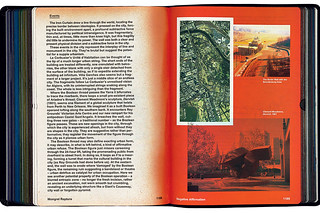
Reputations: Stuart Geddes
‘I am interested in exploring different archetypes of books … I like to create friction between design conventions and juxtapose them to make something new.’
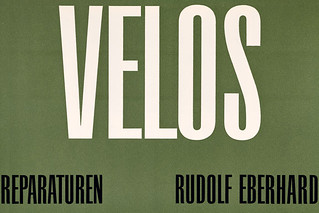
A manual of hand-made Modernism
In 1949, a comprehensive portfolio by Swiss designer Walter Käch helped set the stage for postwar innovation in letterform design
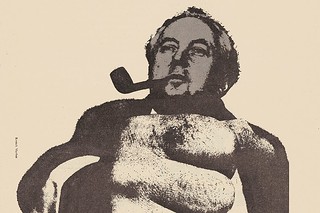
The case of Romek Marber
The Polish-born graphic designer behind Penguin’s ‘Marber grid’ helped to define British postwar graphic design with work of great power and originality. His work can be seen in a touring exhibition, now in Krakow. Interview by John L. Walters. Portrait by Philip Sayer
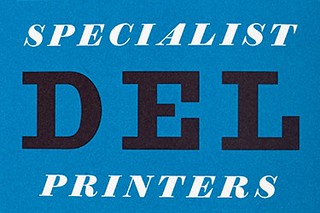
Stamped in the memory
The Gentle Author’s book about East London print and envelope specialists the Baddeley Brothers demonstrates the very crafts it celebrates